
Our position on the rising cost of secondary education
· 2 min read
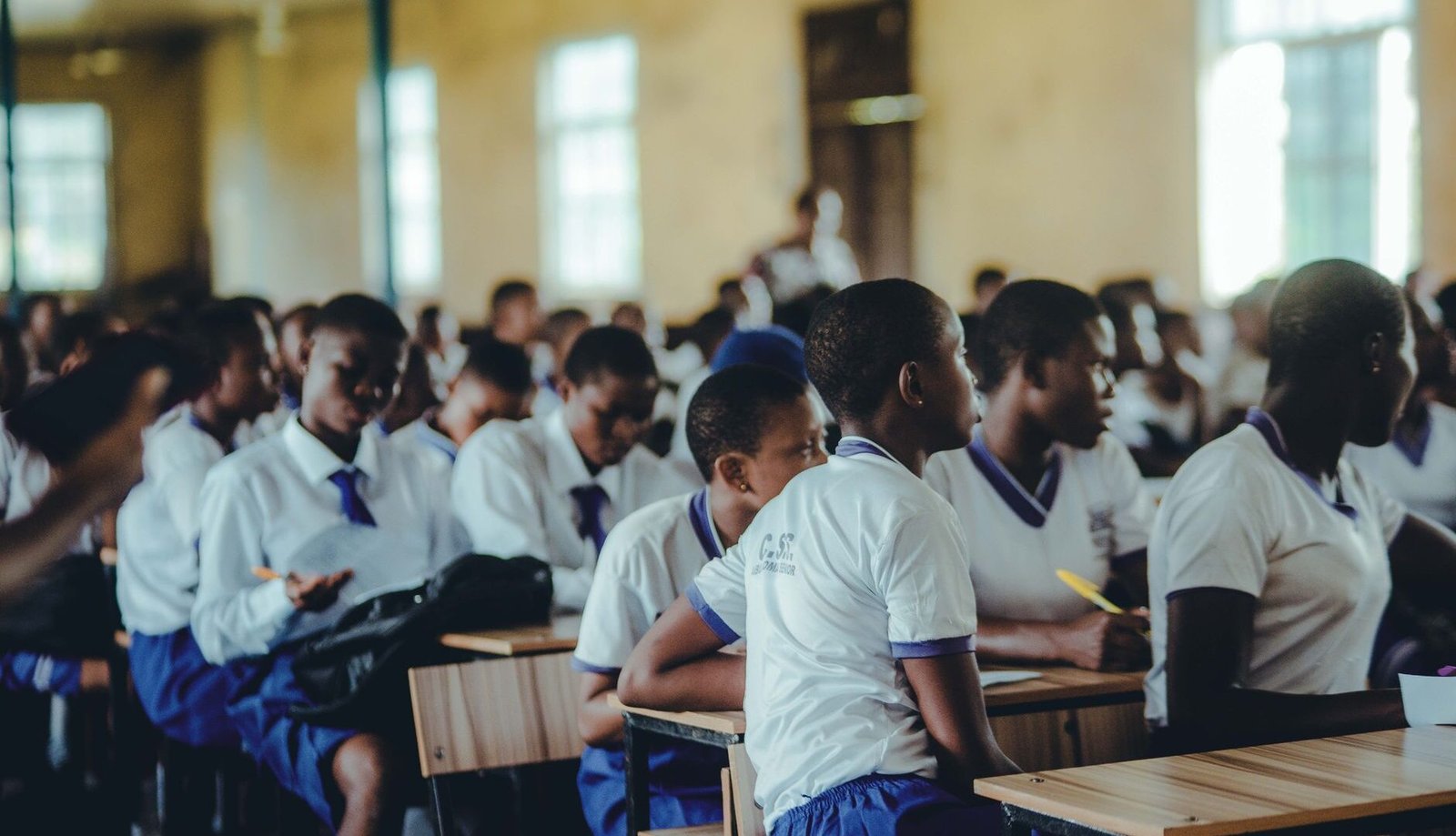
HAPEI has spent the last five years working on out-of-school children in the Northeast. We now write to add our voice to a growing concern about a different but connected issue: the sharp increase in the cost of secondary education across Nigeria over the past eighteen months.
Data from three separate sources, including our own field teams, indicates that the effective cost of keeping a child in a public secondary school, once uniforms, transport, meals and levies are accounted for, has risen by between 34 and 52 percent since early 2025. This is well ahead of general inflation, and disproportionately affects the families we serve.
What we are seeing on the ground
In the LGAs where we operate education recovery programs, we have observed a measurable increase in mid-year dropouts, particularly among girls in JSS3 and SS1. Our field officers report that families are increasingly forced to choose between keeping their eldest and youngest children in school. In more than a few cases, that choice is being resolved by pulling girls out first.
This is a reversal of a decade of progress on girl-child education in the areas where we work. It is happening quietly, family by family, and it is not being adequately captured in national enrolment statistics.
What we are calling for
We are calling on federal and state education authorities to do three things. First, publicly commit to holding the line on levies charged by public secondary schools for the 2026/2027 academic year, and to publish those levies transparently. Second, expand the school feeding program to cover secondary schools in the highest-risk LGAs, at least for one meal per day. Third, work with civil society partners on a real-time mid-year dropout tracking system, so we are not waiting until the end of the year to discover we have lost a cohort.
We recognise that all three of these carry cost. We also recognise that letting a generation of girls quietly drop out of school will cost far more, for far longer.
HAPEI will continue to raise this issue in our own work, in the media, and in the meetings we are privileged to be invited into. We welcome partnership from any actor, public or private, who is prepared to move on it.